

2026 Regional Innovation‑Development Forum Explores Building Shanghai (Yangtze River Delta) International Science and Technology Innovation Hub
Sat, Sep 12, 2026
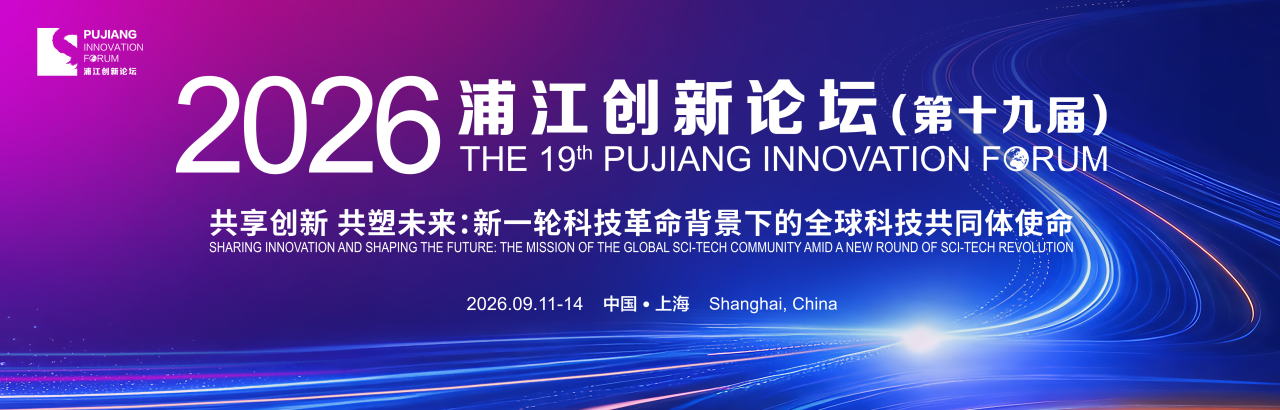
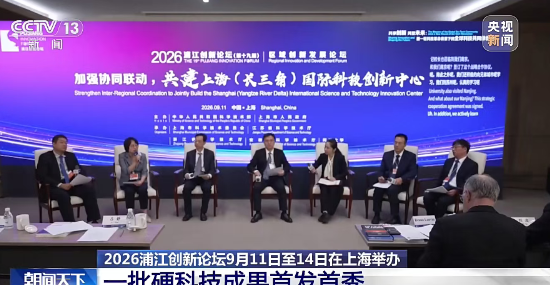
The 2026 Regional Innovation‑Development Forum of Pujiang Innovation Forum was successfully held at Zhangjiang Science Hall on the afternoon of September 11. Co‑organized by the Second Department of the Ministry of Science and Technology, Shanghai Science and Technology Commission, science‑technology authorities of Jiangsu, Zhejiang and Anhui provinces, as well as Tongji University (School of Economics and Management & China Institute of Science and Technology Management), the event gathered representatives from government agencies, research institutes, tech enterprises and think‑tanks. Centered on “Strengthening Coordination for Joint Development of the Shanghai (Yangtze River Delta) International Science and Technology Innovation Hub”, the forum sought to advance open sharing of regional innovation resources and coordinated layout of innovation and industrial chains toward a world‑class source of scientific and technological innovation.
Vice‑President Xuejun XU of Tongji University moderated keynote speeches and report‑release sessions. Jing LYU from the Ministry of Science and Technology delivered opening remarks, highlighting new strategic opportunities brought by the hub’s geographic expansion to the whole Yangtze River Delta. She called for breakthroughs in fundamental research, industry‑tech integration, global talent recruitment and high‑level opening‑up during the 15th Five‑Year Plan period. Keynote speaker Bruno Lanvin, founder and president of Cartesian Future Institute (Switzerland), outlined four pillars of modern innovation and regarded the Yangtze River Delta as a promising global model for collaborative innovation.
Three authoritative reports were officially unveiled. According to 2026 China Regional Science‑Technology Innovation Evaluation Report, Shanghai ranks first nationwide in comprehensive innovation performance, with Jiangsu, Zhejiang and Anhui all in the national top ten. Two additional think‑tank reports analyzed progress, strengths and future priorities for the Shanghai‑Yangtze River Delta innovation hub and the G60 Sci‑Tech Innovation Corridor, stressing smoother flow of talent, capital, data and research outputs.
Hosted by Qian SHI, Chairman of the School Council of Tongji SEM, the round‑table discussions covered provincial‑level coordination, city‑level practices and corporate demands. Participants from science‑technology administrations across the Yangtze River Delta, key pillar cities and leading enterprises exchanged practical suggestions. They proposed giving full play to Shanghai’s leading role, leveraging local comparative advantages, removing institutional barriers for cross‑regional talent mobility, building shared innovation platforms, and reinforcing the principal role of enterprises in innovation.
Bringing together government, academia, industry and think‑tank stakeholders, the forum built wider consensus for hub construction. Going forward, the Yangtze River Delta will further deepen resource sharing, joint platform building, collaborative R&D and industrial coordination, contributing to national high‑level self‑reliance in science and technology.
ADD:Tongji Building A, Siping Road 1500, SHANGHAI 200092
TEL:0086-21-65983943
FAX:0086-21-65986304
Quick Links:Tongji UniversityMMBSMBSCWRXLRI
We protect your privacy. We use cookies to personalize content, provide features, and analyze traffic to our website anonymously and in a privacy compliant manner. By law, we may store cookies on your device if they are strictly necessary for the operation of this site. For all other cookie types, we need your permission. For more information, please see the privacy policy linked below.

